June 8, 2026
Household efficiency is often shaped less by the total square footage of a home and more by how intelligently that space is organized. When storage is inconsistent or poorly planned, even generously sized homes can feel crowded, inefficient, and harder to maintain. In contrast, well-structured organizational systems reduce friction in daily routines, helping households function more smoothly and predictably.
A key driver of household clutter is not necessarily limited space, but how existing space is used. According to Medium, around 80% of clutter in homes is caused by disorganization rather than a true lack of storage capacity. In practical terms, this means most clutter problems can be improved through better systems rather than additional room. That distinction is central to understanding how storage design influences overall household performance.
Understanding the Connection Between Organization and Efficiency
How Disorganization Impacts Everyday Routines
Disorganization directly affects how efficiently a household runs from day to day. When items do not have assigned places, people waste time searching for essentials, re-purchasing items they already own, or working around cluttered surfaces. These small inefficiencies compound over time, making routine activities feel more demanding than necessary.
A structured storage system removes much of this friction by ensuring every item has a defined location. This allows households to move through daily tasks more predictably, whether that involves preparing for work, managing family schedules, or handling household upkeep. Over time, this structure reduces mental strain and improves consistency in daily routines.
Why Storage Design Matters More Than Space Alone
Many homeowners assume that increasing storage space will automatically solve organization issues, but the real challenge is usually structural rather than spatial. Poorly designed storage leads to wasted vertical space, overcrowded shelves, and underused corners, all of which reduce overall efficiency.
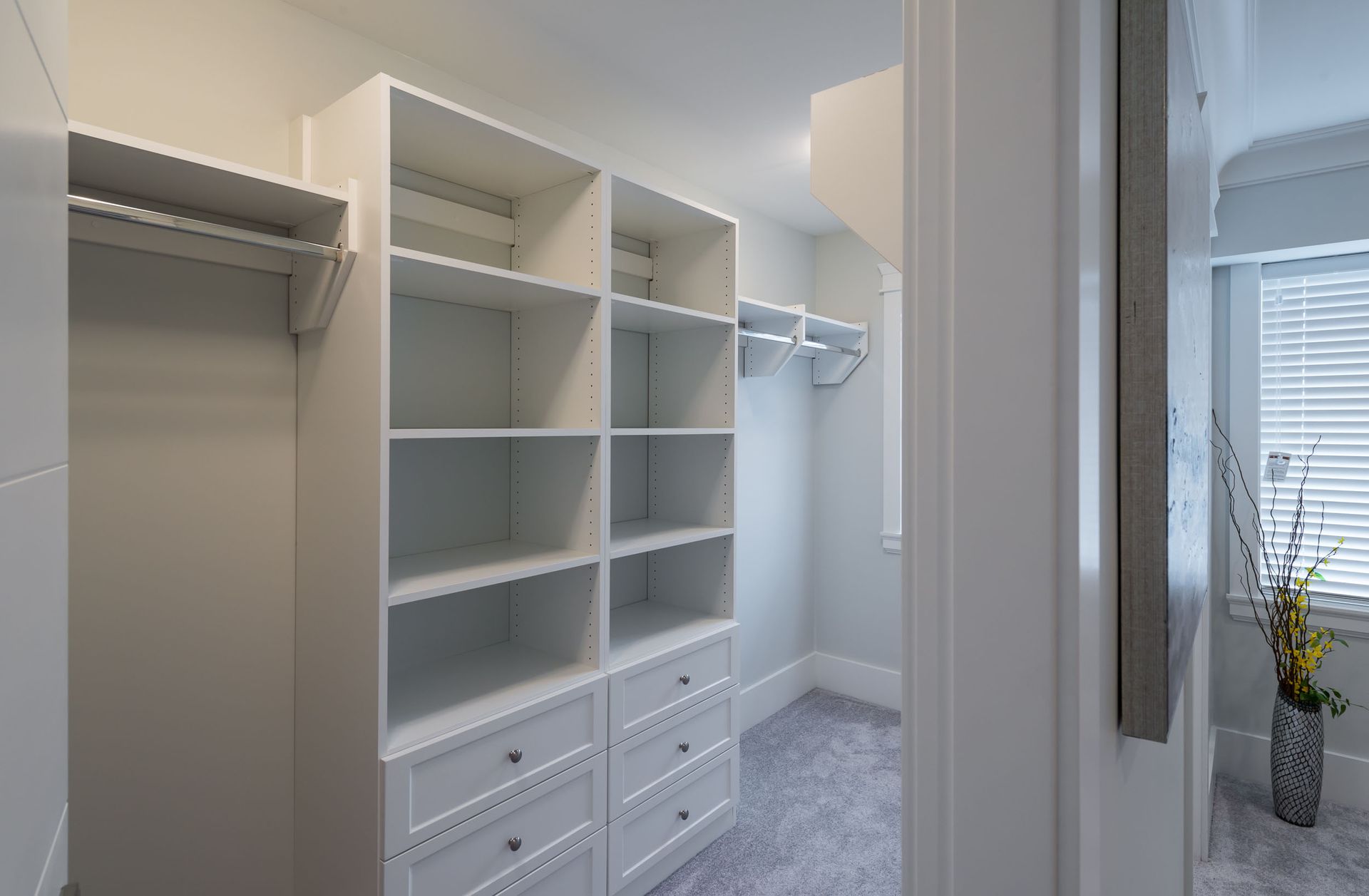
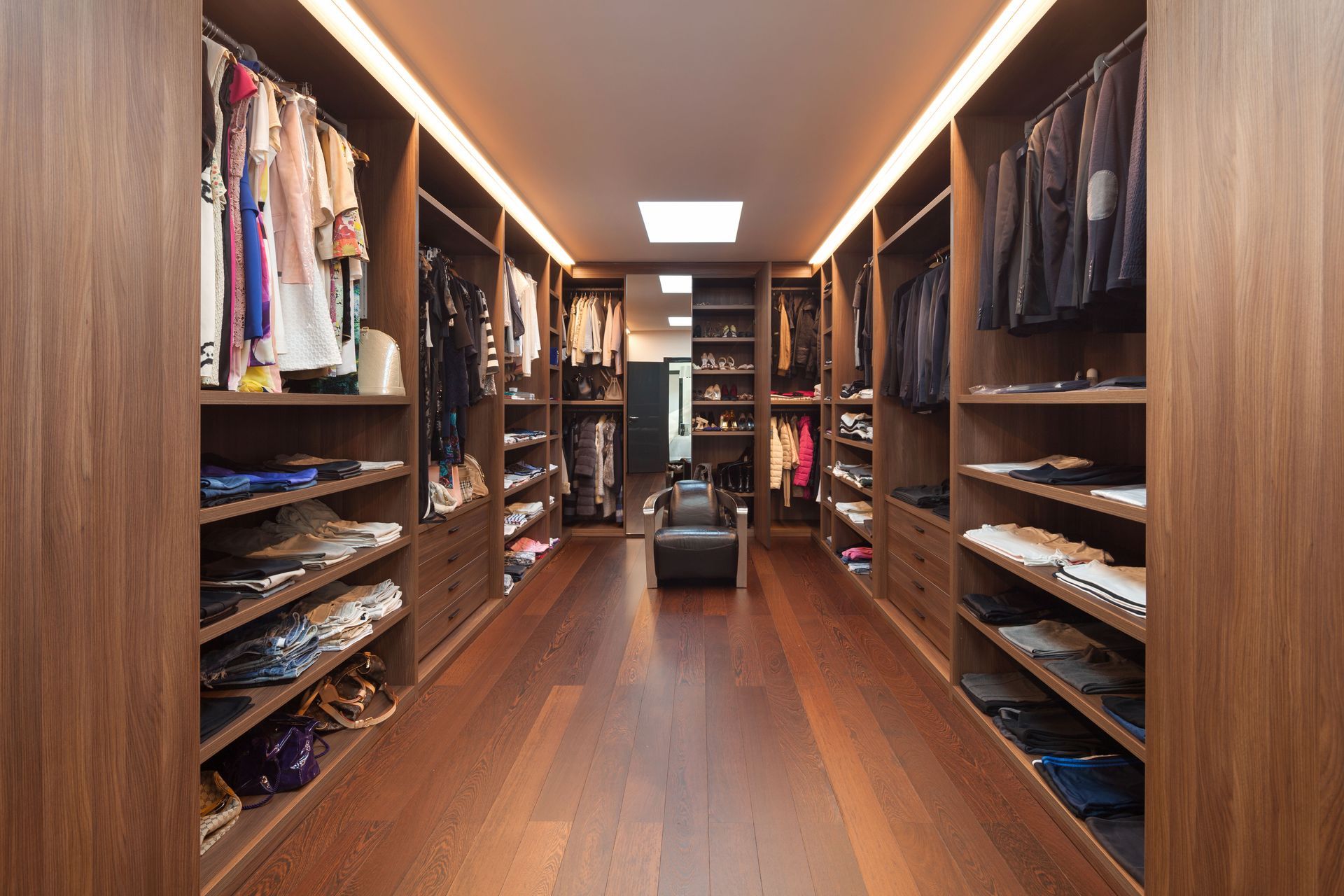
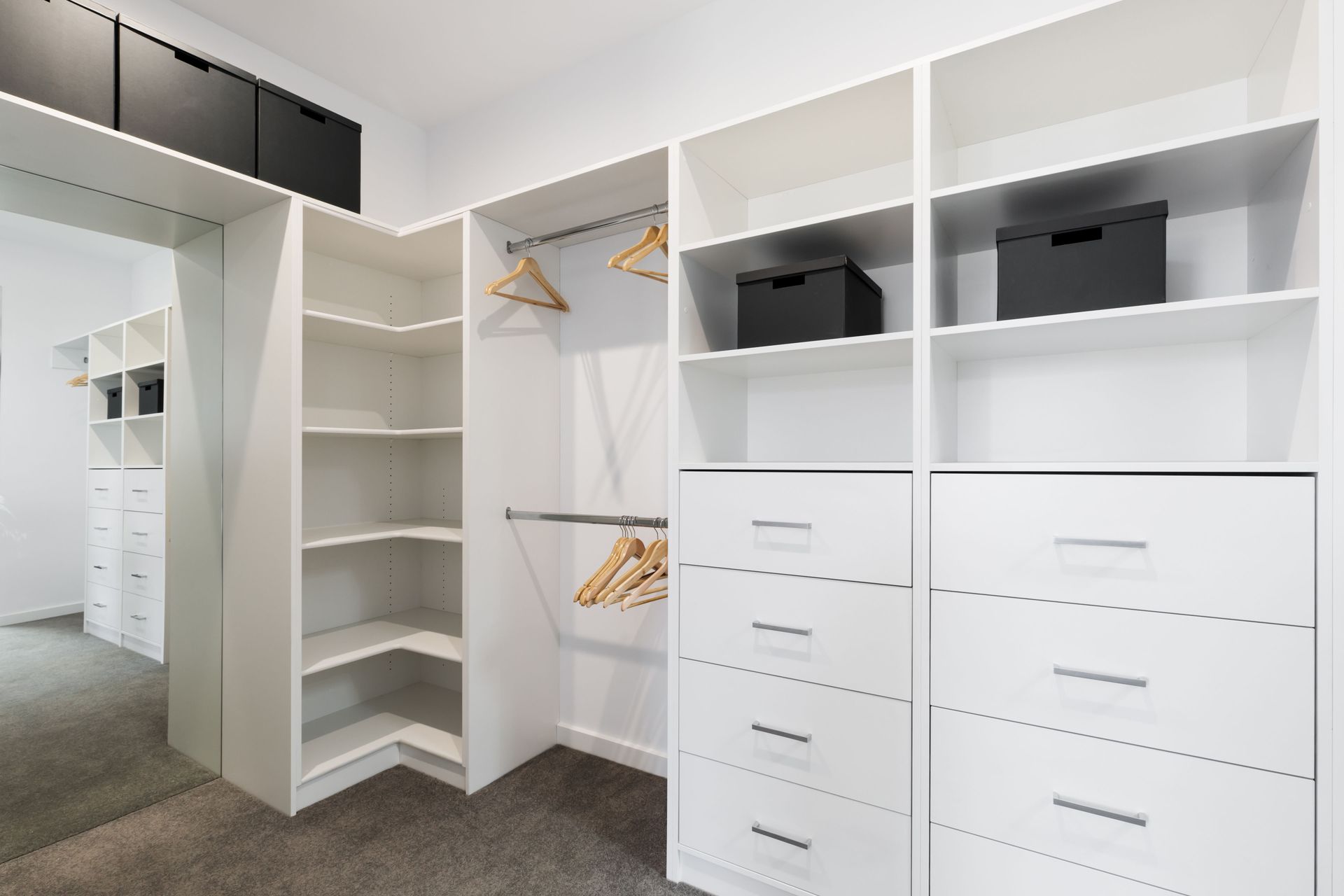
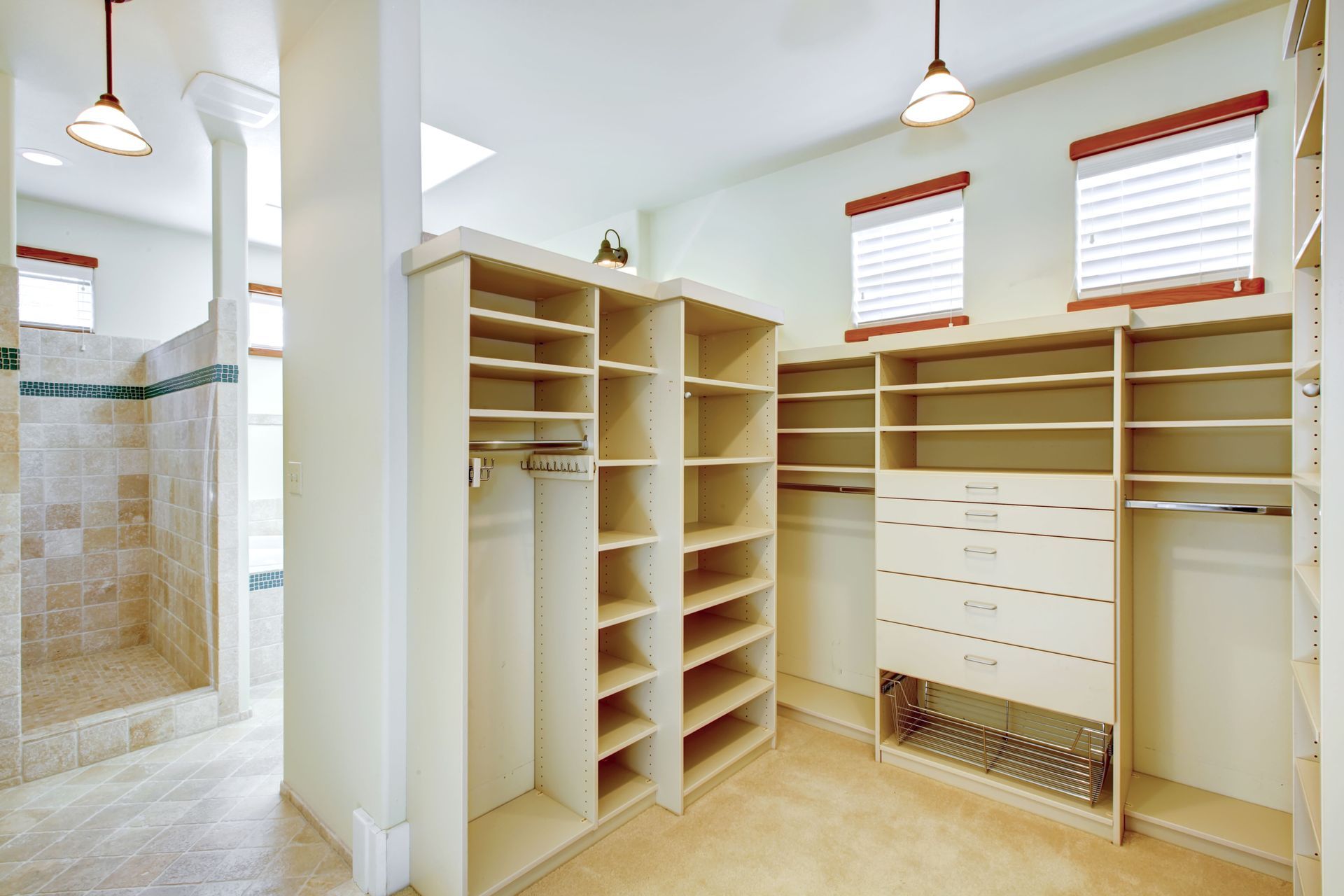
Effective storage design focuses on usability and flow rather than simply adding capacity. When storage is aligned with how people naturally interact with their belongings, it becomes easier to maintain order without constant effort. This is where custom home storage becomes especially valuable, since it allows layouts to be tailored to real usage patterns instead of generic assumptions.
The Role of Home Storage in Daily Flow
A well-planned system of custom home storage supports daily flow by eliminating unnecessary steps in routine activities. Instead of adjusting behavior to fit poorly designed spaces, the storage is designed to support natural movement and decision-making patterns within the home.
This alignment reduces common bottlenecks such as overcrowded entry points, disorganized closets, and inefficient kitchen storage areas. It also improves visibility and accessibility, which helps prevent items from being misplaced or forgotten. As a result, households experience smoother transitions between tasks and less time spent correcting organizational issues.
Designing Storage Systems That Support Functional Living
Tailoring Storage to Specific Household Needs
Every household operates differently, which means storage needs vary significantly from one home to another. A one-size-fits-all approach often fails because it does not account for differences in lifestyle, family size, or daily habits. What works for a single individual may not be effective for a larger household with multiple routines occurring simultaneously.
Tailored storage systems are built around how people actually use their spaces. This includes accounting for high-traffic items, seasonal belongings, and category-specific storage requirements. Custom home storage allows for this level of precision, ensuring that every section of a system has a defined purpose and contributes to overall efficiency.
Improving Accessibility Through Strategic Layouts
Accessibility plays a critical role in whether a storage system remains functional over time. If items are difficult to reach or poorly categorized, users are more likely to abandon proper organization in favor of convenience, which leads to clutter buildup.
Strategic layouts address this issue by placing frequently used items in accessible zones while reserving less accessible areas for infrequent storage. This reduces unnecessary movement and makes it easier to maintain order. When storage is intuitive, it naturally reinforces better habits and reduces the effort required to stay organized.
Transforming Cluttered Areas Into Organized Systems
Reclaiming High-Impact Spaces
Certain areas of the home tend to accumulate clutter more quickly than others, particularly entryways, closets, and shared utility spaces. These high-impact zones often set the tone for how organized an entire home feels, since they are frequently used and highly visible.
By implementing structured storage solutions, these spaces can be transformed into organized systems that support daily routines rather than hinder them. Clear organization in these areas reduces stress and improves the overall sense of order throughout the home. Over time, maintaining these zones becomes easier when storage habits become more consistent and predictable.
Integrating Storage Into Multi-Use Rooms
Multi-use rooms present unique challenges because they must accommodate several activities within a single space. Without proper storage planning, these rooms can quickly become cluttered and lose their functionality, making them harder to use effectively.
Integrated storage solutions allow these spaces to remain flexible while still maintaining structure. Custom home storage can be designed to separate different functional zones within a single room, ensuring that each activity has its own designated area. This improves usability without sacrificing versatility.
Reducing Clutter Through Defined Storage Zones
Clutter often develops when items do not have clearly defined storage categories. Without structure, belongings become mixed together, making it difficult to maintain organization over time and increasing the likelihood of repeated disorganization.
Defined storage zones solve this problem by assigning specific areas for specific types of items. This creates consistency in how belongings are stored and retrieved, which reinforces long-term organizational habits. It also simplifies household management by reducing uncertainty about where items belong.
Identifying Long-Term Benefits of Structured Home Storage
Supporting Sustainable Organization Habits
Long-term efficiency depends on systems that are easy to maintain consistently. When storage solutions are intuitive and logically arranged, household members are more likely to return items to their proper places without added effort or reminders.
Custom home storage supports these sustainable habits by aligning system design with natural behavior patterns. This reduces the need for constant reorganization and helps maintain a stable level of order over time. As a result, regular organization becomes part of the household routine rather than an occasional project.
Improving Household Time Management
Time efficiency within a home is closely tied to how well spaces are organized. When storage systems are clear and accessible, everyday tasks such as getting ready, cooking, or cleaning require significantly less time and decision-making.
These small-time savings accumulate across the day and week, leading to noticeable improvements in overall household productivity. Reduced clutter also lowers cognitive load, allowing residents to focus more on tasks rather than searching for items or managing disorganization.
Household efficiency is strongly influenced by how storage systems are structured and maintained. With intentional organization, homes become easier to navigate, routines become more efficient, and daily stress is reduced. The fact that most household clutter stems from disorganization rather than limited space reinforces the importance of focusing on system design rather than expansion.
Custom home storage provides a practical framework for improving organization by aligning storage solutions with real-world behavior and household needs. When thoughtfully implemented, these systems transform cluttered environments into functional, streamlined spaces that support long-term efficiency, clarity, and ease of living. Be sure to contact Closet Factory for all of your custom home storage needs!